What to do when water comes from another unit
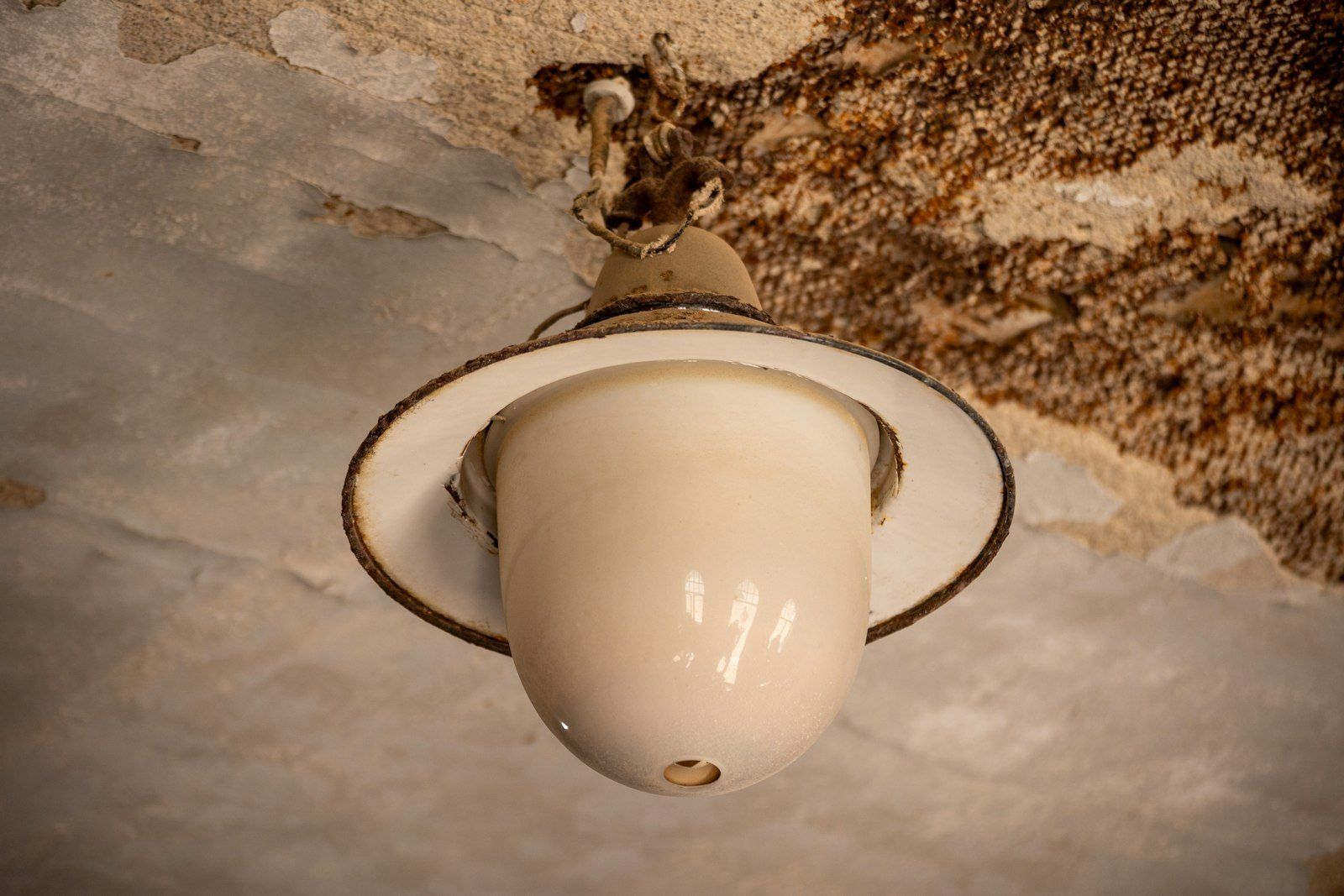
- Protect yourself first. Stay away from a sagging ceiling and from water near light fixtures or outlets.
- Go upstairs, or call the neighbor above. Ask them to shut off water to the fixture or appliance, or the main to their unit.
- Tell the building manager or HOA right away. Many buildings have a main shutoff only staff can reach.
- Take photos and videos of your ceiling, walls, floors and belongings before you move anything.
- Call for drying help. Wet drywall in a ceiling holds a lot of water and can come down without warning.
Who pays for what
In most Washington condo communities, the association's master policy covers the building structure and common areas, and each owner's own policy (often called an HO-6) covers what is inside the unit plus the owner's share of the master deductible. Where the line falls between the two depends on your declaration and bylaws, so read those or ask your manager.
Renters are in a different spot. Your landlord is responsible for repairing the building, and your renters policy, if you have one, covers your belongings. Tell your landlord in writing as soon as you find water.
Either way, the drying should start right away. Questions about who pays can be sorted out after the water is out, and the crew's photos and moisture readings help everyone's claim.
Multi-unit buildings around Lynnwood
Close to half of Lynnwood households rent, and a lot of people live in apartments, condos and townhomes around City Center, Alderwood and along Highway 99. Building has picked up around the City Center light rail station since the Link extension opened there in August 2024.
Stacked units mean one failure can touch several homes. A washer hose on the third floor can soak the ceilings of the two units below it. Crews that work in Lynnwood buildings are used to coordinating with property managers and HOA boards, getting into neighboring units, and keeping separate records for each one.