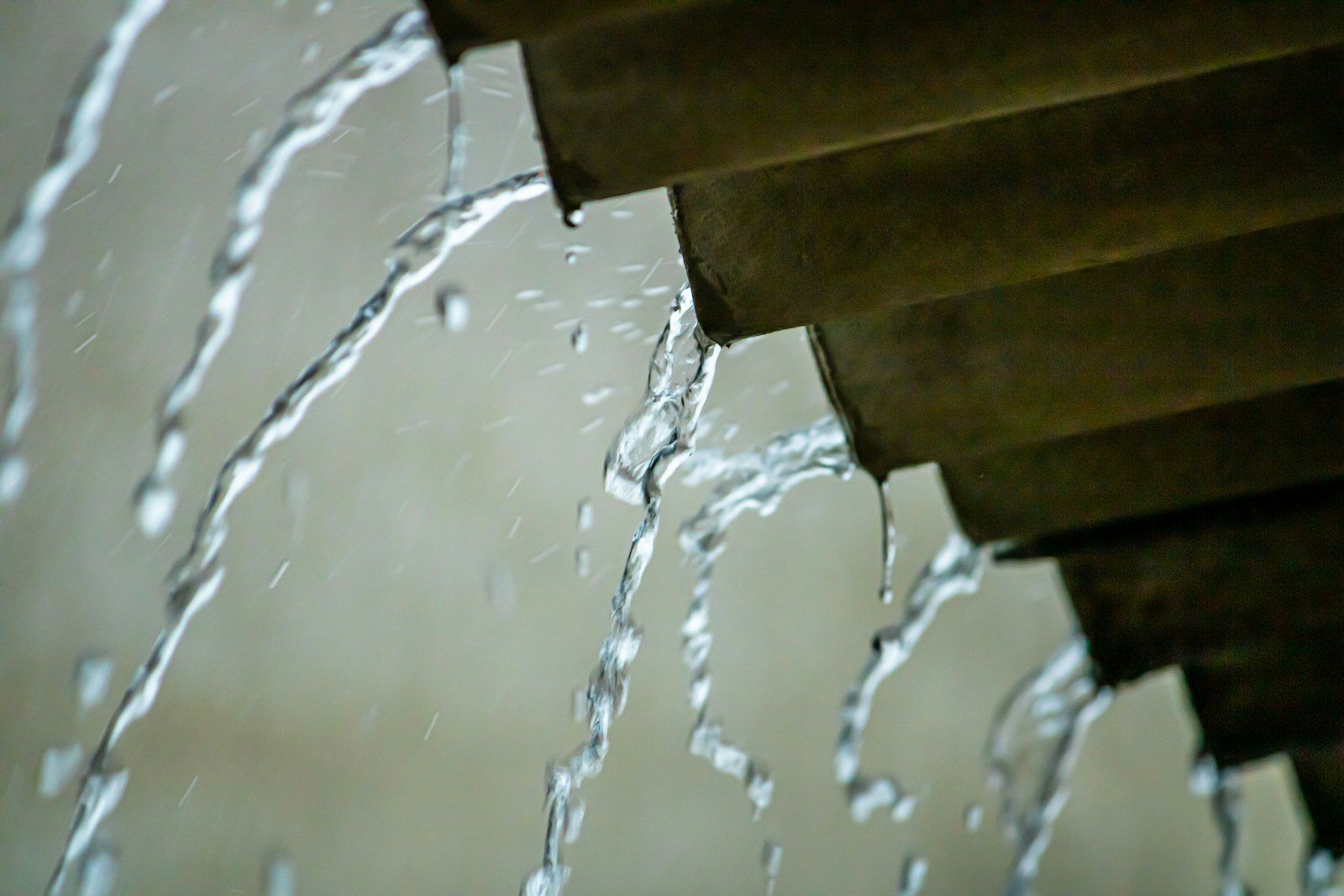
How storm water gets in
- Groundwater pushing in through basement walls or the slab after days of rain.
- Downspouts that empty right next to the foundation.
- Clogged gutters that overflow behind siding or into window wells.
- Yard drains and driveway drains that back up and send water toward the house.
- Roof leaks during wind and rain, showing up as stains on upper floor ceilings.
What a crew does after a storm
- Pumps out standing water and extracts carpet.
- Removes soaked pad, baseboards and drywall that can't be dried.
- Dries walls, floors and framing with dehumidifiers and air movers.
- Documents everything with photos and moisture readings.
- Points out where the water came in, so you know what to fix.
Standard homeowners policies usually do not cover flooding from rising surface water. That needs separate flood insurance. Roof leaks and some other storm damage may be covered, so call your agent.
Storms and creeks around Lynnwood
Lynnwood's rain tends to come in long stretches, and atmospheric rivers can drop a lot of water on soil that is already full. That is when daylight basements, garages built into a hillside, and lower floors start taking on water.
Scriber Creek is the local example. In February 2017, about an inch of rain on top of melting snow sent it over its banks, flooded the footpaths in Scriber Lake Park, and collapsed a culvert near Wilcox Park along 196th Street SW. The city has been working through a list of flood reduction projects since then, and properties between 188th and 191st Streets SW are among the most flood prone. Swamp Creek and Hall Creek can rise the same way after a big storm.